Earned media (press coverage, journalist mentions, editorial links) generates 3× more trust than owned media and 5× more than paid media, according to Nielsen's 2024 Trust in Advertising report. But with newsroom staff down 26% since 2008 (Pew Research, 2023), each journalist covers more beats and has less time per story — making relationships and well-timed, relevant pitches more valuable than volume outreach.
These 11 media relations tactics are drawn from Dmitry Dragilev's 15+ years of building journalist relationships across tech, business, and marketing beats — including the relationships that earned coverage in Forbes, TechCrunch, The Next Web, and Entrepreneur.
The average press release gets ignored by 99% of journalists.
But the 1% that breaks through? They generate millions in free publicity, land major media coverage, and turn unknown brands into household names overnight.
In this guide, you'll discover the 11 tried-and-tested media relations tactics that separate the winners from the ignored.
Let’s dive in…
Key Takeaways
- Winning coverage today means building relationships with journalists and creators—bloggers, podcasters, and influencers who shape the conversation.
- To win at media relations, treat reporters like partners, not inbox targets, and focus on long-term trust instead of one-off mentions.
- Data is your best press kit. Leverage original research, useful resources, and story-ready content to attract coverage and links without asking.
- Forget vanity metrics like AVE. The real ROI of media relations shows up in traffic, leads, sentiment shifts, and whether your key messages land.
Media Relations/PR in the Age of ChatGPT and Google AI
The landscape of media relations strategies has transformed in recent years. What once required extensive networks and agency connections is now available to anyone.Today's media relations strategy encompasses traditional journalists and a vast ecosystem of content creators, thought leaders, and digital influencers who shape public opinion.
This democratization means businesses of all sizes can now craft and execute their own media relations strategies without the traditional gatekeepers. However, with this accessibility comes the challenge of standing out in a crowded space.
Success requires not just reaching out but also reaching out strategically with the right message, to the right people, and at the right time.
How Media Relations Strategy Has Evolved
Media relations strategy has changed a lot in the last decade.For one, the scope of “media” is much broader than it used to be. Under this term, you don’t just think of Press outlets and TV stations. You also have freelance journalists, bloggers, influencers, and anyone or anything with an audience.
You can even say that “media relations” today means “influencer relations”.
This new landscape also means anyone can manage their media relations strategy. You no longer have to go through gatekeepers and PR agencies; you can connect with influencers directly.
How?
I’ll share 11 media relations tactics. Use them with the takeaways from my earlier post on marketing communications strategy to get press, backlinks, and mentions in the leading publications in your industry.
Before that, though, I want to sort out a common misconception:
Core Components of an Effective Media Relations Strategy
Before diving into tactics, let’s map out the pillars that empower media relations to amplify your voice.1. Identify the Right Sources of Influence
Pitch smart. Use audience insight tools to pinpoint the channels and voices that genuinely move your target audience.Think beyond big names and look for hidden gems: niche blogs, local influencers, under-the-radar publications—channels your people already pay attention to.
2. Prioritize Your Outreach
Instead of blasting every outlet, build a laser-focused outreach list. Rank contacts by influence and relevance. That way, each pitch has a stronger chance of resonating and getting picked up.3. Time Your Outreach Strategy
Timing isn’t just about pitching early; it’s about pitching when your story aligns with news cycles, events, and trending conversations.Be strategic: track editorial calendars, seasonal themes, and what’s currently top of mind in relevant media.
4. Craft Pitches That Stand Out
Your pitch needs to pass the “human check.” Be clear, concise, tailored, and conversational:- Avoid generic, overly salesy approaches
- Lead with why it matters now
- Respect the journalist’s time
- Hold back from pitching certain things (like overused angles)
5. Enable Amplification Through Authentic Connections
Every interaction should be more than just “here’s what I need.” Forge genuine, reciprocal relationships that can evolve into guest placements, co-created content, or event collaborations. That amplifies your reach organically.6. Leverage Events as PR Catalysts
Events—whether virtual or in-person—are often overlooked but hugely influential. Use them to:- Gather media attention
- Network with influencers
- Launch newsworthy content tied to the event itself
7. Hunt for Contact Info with Precision
Knowing who to reach is as important as knowing what to pitch. Use publicly available information, media tools, or even social platforms to get accurate contact details before you draft your pitch.The Difference Between Media Relations and Public Relations
Here's what I wish someone had told me five years ago:Public Relations = Your entire reputation strategy (employees, investors, customers, community, AND media)
Media Relations = One specific part of PR focused on journalists, editors, and content creators
Think of it like this: If PR is your entire social life, media relations is specifically how you network at industry conferences.
I learned this the hard way when I spent $15,000 on a "PR agency" that got my client mentioned in one small blog. Turns out, they were amazing at PR (great investor relations, employee communications, crisis management) but terrible at media relations (getting journalists to actually care about our story).
Define Your Endgame: Setting SMART Media Relations Objectives
Before you write a single pitch or identify a journalist, you must define what success looks like. Vague goals like "get more press" lead to scattered efforts and unclear results. A successful media relations strategy is built on specific, measurable objectives that align with broader business goals. Use the SMART framework to bring clarity and purpose to your efforts.
- Specific: Clearly define what you want to achieve. Instead of "increase brand awareness," aim to "secure feature placements in three top-tier tech publications."
- Measurable: Identify the key performance indicators (KPIs) you will track. This could be the number of media placements, website referral traffic from earned media, or the share of voice against competitors.
- Achievable: Set realistic goals based on your resources, timeline, and the current media landscape. If you're a new startup, aiming for the front page of The New York Times in your first month is likely not achievable.
- Relevant: Ensure your media relations goals support overarching business objectives, such as lead generation, market entry, or talent acquisition.
- Time-bound: Set a clear deadline for achieving your objectives. For example, "Increase positive media mentions by 20% over the next fiscal quarter."
The 3 Types of Media Relations That Work (With Real Examples)
1. Traditional Media Relations: The "Credibility Play"
When to use it: You need mainstream credibility or you're targeting older demographics (35+ decision makers)Real example: When Zoom's usage exploded during COVID, they didn't send generic press releases. Instead, they gave The Wall Street Journal exclusive access to their infrastructure team for a deep-dive story about scaling from 10 million to 300 million daily users in 3 months.
The result: A front-page WSJ story positioned them as the reliable choice when Microsoft Teams and Google Meet struggled.
Your action step: Find one operational story that only you can tell. For Zoom, it was "how we didn't crash when the world went remote." What's yours?
2. Digital-First Media Relations: The "Speed and Specificity Play"
When to use it: You need quick coverage, or you're targeting younger demographics/niche audiencesReal example: When Gumroad's founder Sahil Lavingia decided to step down as CEO in 2019, he didn't call The New York Times. Instead, he wrote a personal blog post and sent it to 8 specific newsletter writers who covered bootstrapped businesses.
The result: Coverage in Morning Brew, The Hustle, and Indie Hackers within 48 hours. Combined reach: 2.3 million entrepreneurs.
Your action step: List 5-10 newsletters/podcasts your ideal customers actually read. These creators are usually more responsive than traditional journalists.
3. Hybrid Media Relations: The "Maximum Impact Play"
When to use it: You have a big story and the resources to coordinate across multiple channelsReal example: When Basecamp banned political discussions at work in 2021, they:
- Posted Jason Fried's blog post first (owned media)
- Gave exclusive context to Casey Newton at Platformer (digital newsletter)
- Followed up with traditional outlets like The Verge and TechCrunch
- Appeared on podcasts to explain their reasoning
Why You Need Media Relations
Lead Generation That Compounds
When Ahrefs got featured in a MarketingLand article about SEO tools, they didn't just get traffic. They got 847 new trial signups in one week, and 23% of those converted to paid plans.But here's the kicker: Two years later, that article still drives 50-80 monthly signups. One piece of media coverage became a perpetual lead-generation machine.
The lesson: Good media coverage has a long tail. Bad coverage (generic mentions) dies in a day.
Third-Party Validation That Sales Teams Actually Use
I once sat in on a sales call where the prospect said, "I saw you guys mentioned in Inc Magazine. That's impressive." The deal closed 20 minutes later.Salespeople at companies like HubSpot and Mailchimp regularly screenshot media mentions to include in their email sequences. It's social proof that converts.
The proof: According to Nielsen (and I've seen this in practice), earned media mentions increase purchase intent by 4x compared to branded content.
Building Your Media Relations Strategies: The Step-by-Step Framework I Use
Step 1: The "Newsworthy Angle" Audit (Takes 30 minutes)
Forget your product features. Journalists care about trends, data, and human stories.Do this exercise:
- Open Google Trends
- Search for keywords in your industry from the past 3 months
- Find 3 trending topics where you have unique data or perspective
- Write one sentence connecting your expertise to each trend
Step 2: The "Right Journalist" Research Process (Takes 2 hours, saves 20)
Here's my exact process:- Find recent articles about your topic (not just publications - specific articles)
- Check the byline - who wrote about this?
- Follow them on Twitter and read their recent tweets
- Find their email using tools like Hunter.io or Voila Norbert
- Read their last 3 articles to understand their style and interests
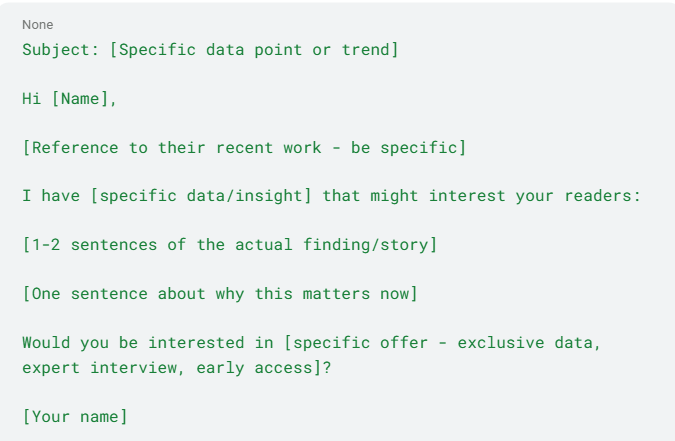
Step 3: The "Pitch Email" That Gets Responses
Bad subject line: "Exciting Partnership Announcement from [Company]"Good subject line: "Data: 67% of marketing teams plan to cut influencer budgets in Q2"
Bad first line: "Hope you're having a great day! I wanted to reach out about..."
Good first line: "Hi Sarah, loved your piece on micro-influencer ROI in AdAge last week."
Here's the exact template I use:
Real example that worked:
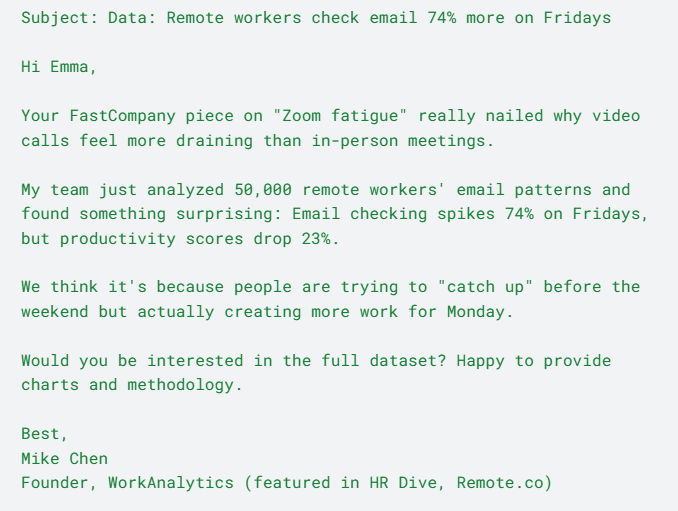
Response rate: 34% (industry average is 2-5%)
Budget Considerations for Media Relations Strategies
Last year, I watched two companies launch similar products on the same week.Company A: Hired a top-tier PR agency for $50,000. Got mentioned in one trade publication.
Company B: Spent $500 on a media monitoring tool and 40 hours of their founder's time. Landed features in Forbes, TechCrunch, and three major podcasts.
The difference wasn't luck. It was strategy.
The Real Cost of Media Relations (Hint: It's Not What You Think)
Everyone obsesses over the wrong numbers. They ask: "How much should I spend on PR?"Wrong question.
The right question: "How much is my time worth, and am I using it strategically?"
The Hidden Math That Changes Everything
Here's what most founders miss: One piece of quality coverage is worth more than 50 mediocre mentions.Example: When Notion got featured in The New York Times' "Work From Home" guide in 2020, that single mention drove:
- 47,000 new signups in one week
- 300% increase in brand searches
- Ongoing traffic that's still converting users 3 years later
Their investment: 20 hours of their founder's time crafting the perfect story about remote team productivity.
Cost per hour: $25,000 (and that's probably low).
The "Smart Money" Approach to Media Relations Budgets
Tier 1: The Bootstrap Strategy ($0-$1,000/month)
What you get:- 1 media monitoring tool (Mention or Google Alerts)
- Basic press release distribution (PRLog or OpenPR)
- Your time (10-15 hours/week)
Result: Regular mentions in Fast Company, Wired, and The Next Web without spending a dime on agencies.
The catch: This only works if someone on your team can write, research, and build relationships. If your founder sounds like a robot in emails, invest in training or hire help.
Tier 2: The Smart Investment ($1,000-$5,000/month)
What you get:- Professional media monitoring (Cision or Meltwater)
- Content creation budget (graphics, research, surveys)
- Part-time PR specialist or consultant
- Event/webinar hosting
Cost: $3,000/month for survey platform, data analysis, and beautiful reports.
Result: Regular coverage in MarketingLand, Content Marketing Institute, and dozens of marketing podcasts. Why? Because journalists always need fresh data, and ConvertKit became the go-to source.
The secret: They didn't try to promote ConvertKit. They promoted insights about email marketing. The product mentions happened naturally.
Tier 3: The Full-Court Press ($5,000+/month)
What you get:- Dedicated PR team or agency
- Premium tools and services
- Event sponsorships and thought leadership
- Crisis communications capability
They turned it into a story about "The Future of Meeting Culture" with exclusive data about how scheduling tools were changing business communication.
Result: Coverage in Harvard Business Review, Fast Company, and The Wall Street Journal. The funding news became a platform for thought leadership.
Now that we’ve covered why you need a media relations strategy, here are the 11 tactics that’ll take your media relations to the next level:
1. Write Guest Articles on Targeted Publications
I know what you’re thinking: Guest blogging? Seriously?Now, the death of guest blogging has been foretold many times, most famously when Google's Matt Cutts asked everyone to “stick a fork” in it.
It is true that guest blogging purely for getting backlinks is spammy and a waste of time. However, guest blogging for influence and traffic should still be a part of your media relations strategy.
The backlinks are just a bonus.
For example, last year I wrote a guest post on the Moz blog that generated 140 comments from a hyper-targeted audience.
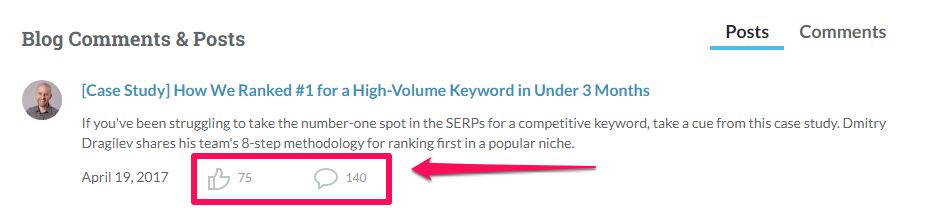
Guest blogging on targeted news media publications helps you piggyback on their effort. Instead of building an audience from scratch, you borrow theirs.
You also get access to their search engine authority. If you use the right keywords, your guest article can rank for valuable search terms, giving you traffic and visibility for years.
In fact, the #2 article for “guest blogging” itself is a guest post on Neil Patel’s blog
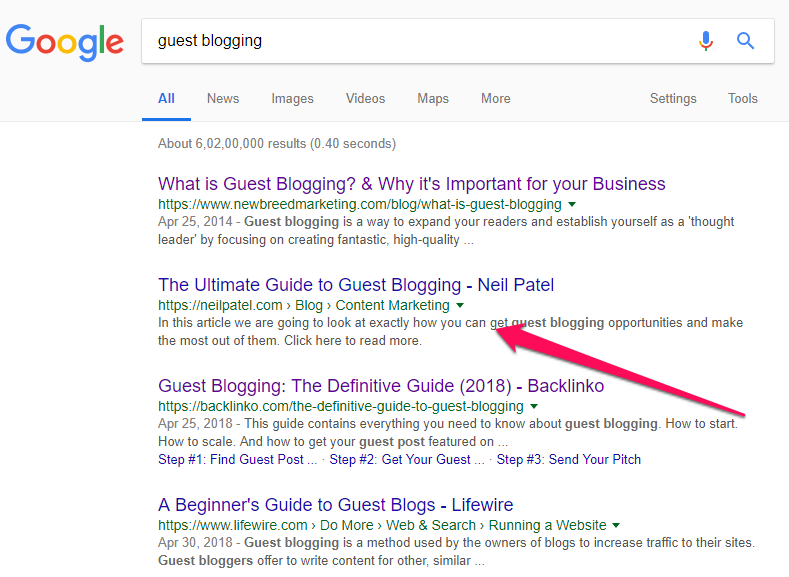
Essentially, guest blogging enables you to reach an audience outside your network. You get access to hyper-targeted readers hungry for expertise. It has countless benefits apart from backlinks:
- It builds your reputation; getting published on a top blog is a testament to your quality
- You can link to a targeted asset in your author CTA and capture high-quality leads
- Since top publications often have high authority, your guest posts can rank for major keywords and bring you long-term traffic.
- Guest blogging is repeatable. If you can publish one guest post, you can also publish a hundred.
Finding the Right Publication
The key to successful guest blogging is picking the right publication. Don’t simply go by a website’s domain authority or traffic.Rather, look for outlets that have engaged and targeted audiences.
- Their content should be similar to yours and should demonstrate engaged readers.
- Check the average number of comments each post generates. Leaving comments on articles is a dying practice, so don’t expect 100+ comments for every post. Even a handful of comments (10+) can indicate engagement.
- Check if they’ve published guest posts in the past. If yes, how frequently do they publish guest posts vs their editorial content?
- If it’s a popular blog, search for it on Facebook Audience Insights. See if its audience demographics and interests align with yours.
Finding the Right Content
Ideally, your idea should align with the publication’s audience interests. It should also fill a gap in their content. For instance, if they don’t have content for an important keyword, they’ll be more likely to entertain a pitch for it.When creating your guest post, focus on the following:
- Use Quora and Reddit to find questions and issues your audience struggles with.
- Try to write the best possible version of any content on your chosen topic. Not only is this great for getting published on prestigious outlets, but it also establishes your brand.
- Use visuals, infographics, videos, etc., to add value to your content.

Dmitry's take
Another tactic to make your pitches more attractive is to align them with developing trends in your industry.
The best way to spot these trends is to see what top journalists in your industry are writing about. Search for your keyword on JRO to see a list of target journalists and their recent articles.
If you can use these trends in your pitch while still creating evergreen content, your pitches will rarely be rejected.
Implement this tactic right now with our software.
2. Rank for Topics People Frequently Write About
Imagine you’re a blogger writing an article about managing a sales team.Since you have zero knowledge about this topic, you Google “sales management”.
The first result you see is an article from Pipedrive.
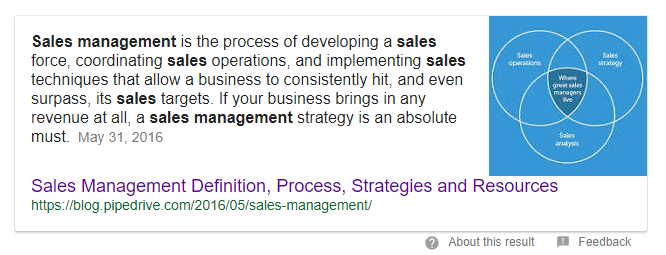
You read the article, gather your takeaways, and mention it in your post.
Pipedrive does not have to do anything continuously to earn this exposure. Since it is already ranking for this keyword, the company can sit back and watch the traffic roll in every month from other blogs writing on the topic.
Gaetano DiNardi, who worked on this Pipedrive campaign, now utilizes the same strategy at Nextiva – a company with a multichannel contact center offering, which works on ranking for some of the most competitive terms in their industry. Here is how he thinks about this entire process:
“SEO is a tough game to play, but when you deliver value and rank for topics your audience is looking for, it’s a game-changer for any business!”
The Art of Passive Links
For example, if you look at Ahrefs data for this page, you’ll find that it has attracted a steady stream of backlinks since it was published, even though there has been no active link building for it (since it already ranks #1).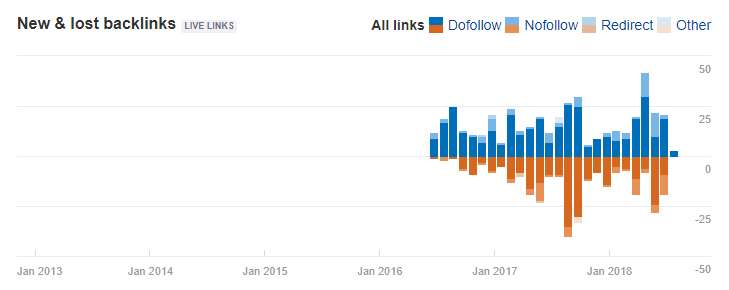
Many of these links are ‘passive’, i.e., they are from writers searching for “sales management”, and linking to the page, such as this one from Process.st.
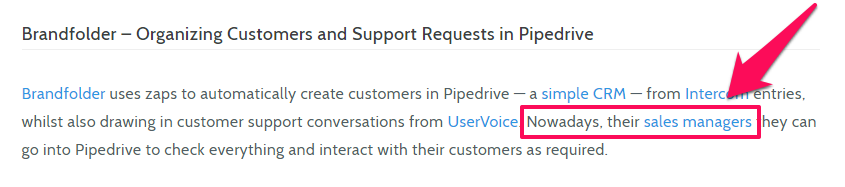
Attracting such ‘passive’ links is an often-ignored media relations strategy. It has the dual benefit of getting you links while also helping you rank for a key term.
Here’s how it helps you:
- You can generate a steady stream of links without doing anything.
- These links help you stay where you are in Google’s rankings, ensuring you remain visible.
- Find a topic writers in your niche frequently write about, or need references for. Usually, these are statistics, studies, and other valuable content that support their assertions.
- Create a comprehensive, in-depth content piece on this topic.
- Build backlinks to this content and get it to rank on the first page for a target keyword.
For example, bloggers frequently search for statistics to support their arguments. Top-ranking statistics pages, such as this one from CMI (which ranks for “content marketing statistics”), frequently gather hundreds of mentions from bloggers linking to them.

Here’s an example of Jeff Bullas linking to this page as a source for statistics:
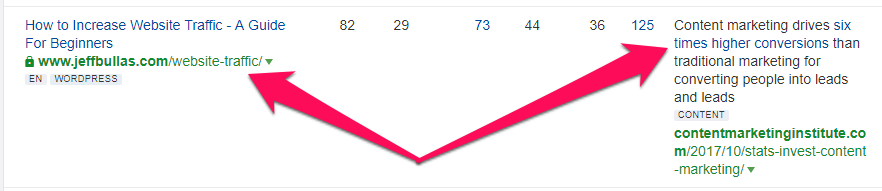
Think of topics that people like to write about in your niche, or topics that require outside validation through surveys and statistics, such as:
- Roundup of statistics
- “Definitive’ guides
- Roundup of academic studies
- Controversial opinions and studies
- “Comprehensive” lists
The best way to create content for such topics is to follow the Skyscraper Method.
Popularized by Brian Dean of Backlinko, this tactic involves creating an authoritative article on a topic, then building targeted backlinks to it.
I used this tactic to help Pipedrive rank for the keyword I mentioned earlier – “sales management”.
You can read more about my ranking process in this case study. Learn more about the Skyscraper technique in this article to help you become a media relations specialist in no time.
3. Use Quora Answers to Kickstart Relationships
Quora.The place where you have questions for literally anything.
How does it play a role in media relations?
I’ll show you.
But first, I want to give you some statistics.
Media contacts at top-tier publications receive hundreds of pitches every week. In fact, only 1% of top-tier publications in Fractl’s survey said they find pitches “valuable”.
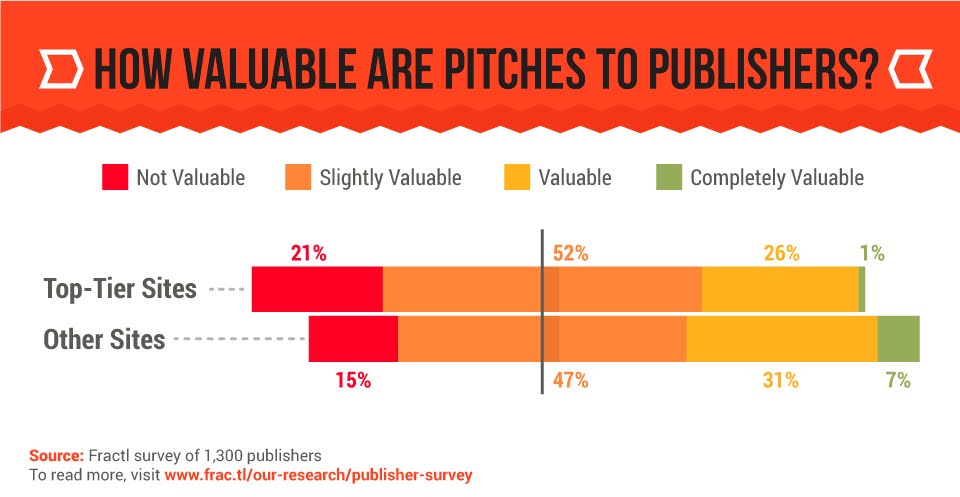
That’s a really small chance of your pitch getting noticed!
But it’s not surprising.
There is something cold and impersonal about pitching a journalist. Why should a TechCrunch or ReCode writer care about your press releases or media advisories if you’ve never talked to them first?
This is why I’ve maintained that building relationships is the foundation of any competent media relations strategy.
When you have a relationship with a journalist, you aren’t just an unknown face from an unknown company. You’re a friend, a fan, and a potential collaborator.
At the very least, it ensures that your press releases will be read.
The problem is that building relationships with media contacts is hard. You can easily come across as inauthentic and insincere.
One way to solve this issue is to piggyback on Quora.
Here’s How to Build Your Media List with Quora:
Step 1Find a journalist in the news media with whom you want to connect.
Step 2
Dig through their social profiles. See what they’re blogging, tweeting, and Snapping about. Your goal should be to find something that’s common between you.
How do you know if you’ve found something?
My “sniff test” is that it should be something I can say to them in-person at a conference and not feel stupid about it.
Step 3
Once you’ve found this thing, quote them in an article on your blog. Defer to them as the authority on the topic.
For example, I wanted to build a relationship with Rebecca Grant, a former journalist at Venture Beat. So I found her blog and quoted one of her posts in my article.
Step 4
Here comes the Quora hack: after you mention the journalist in your article, search for the article topic on Quora. Find a question that has very few or no answers.
Write an answer to this question, making sure to:
- Link to your blog post related to the question
- Quote your target journalist in the answer

When you do this, you’re essentially promoting the journalist on a platform you don’t own for free. You aren’t just trying to selfishly promote your content and gain media coverage; you’re painting them as an authority on the subject.
This wins you a lot of brownie points with your target influencer.
Step 5
Once you’ve done this, just send an email to the influencer.
Remember, influencers aren’t going through Quora looking for answers where they’ve been mentioned.
Tell them that you mentioned them on Quora because you love their work.
For example, here’s the email I sent Rebecca:
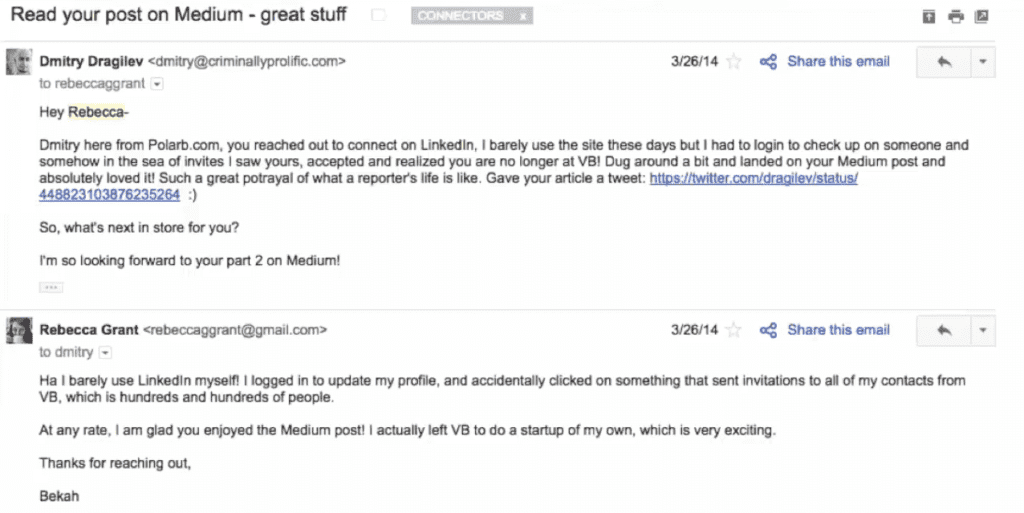
It might take time, but it essentially puts your relationship building on steroids – a key ingredient for a successful media relations strategy.
4. Answer Press Opportunities On Haro
What if I told you you could get media coverage in leading publications without chasing journalists?What if I also told you that doing this was entirely free and required just 10 minutes of your time?
How?
Through HARO.
What is HARO?
HARO, or Help A Reporter Out, is a service that connects journalists with sources.Every day, HARO sends two emails to members—morning and evening editions—with a list of journalists looking for quotes for their stories. There is a master email with all the queries and further category-wise lists. Members can decide which emails they want when they sign up.

If you match the requirements of a query, you or your public affairs team can simply email them your quote.
Here’s how it works:
- HARO journalists or media members need quotes/insights for a piece they’re writing
- They list who they’re looking for on HARO – you’ll know what kind of expert and insights they’re looking for in their inquiries
- If you match the requirements in their inquiries, you can email them your quote.
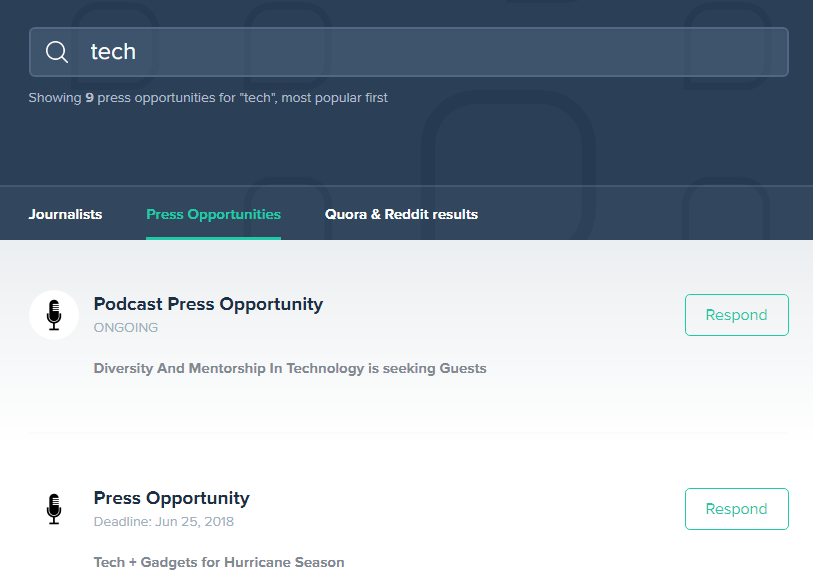
For example, if you were a career coach, you could respond to this query and get some media coverage on Fast Company:
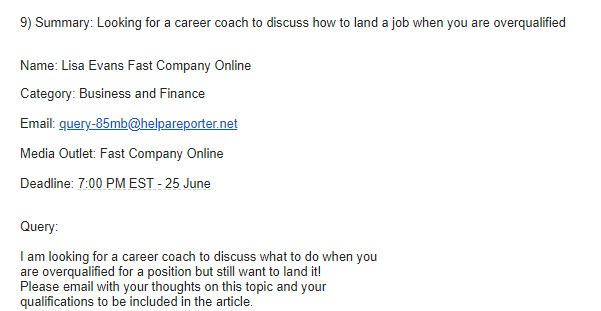
All the answers you send through HARO are collected in your HARO profile.
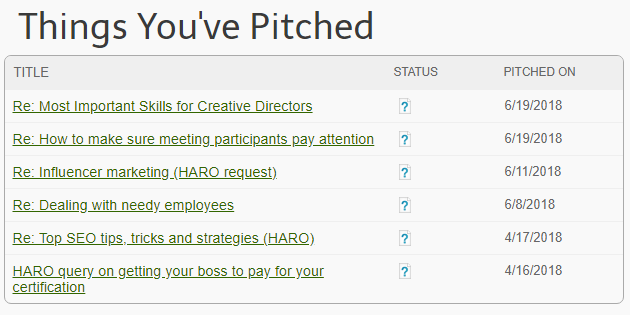
If you work in the business/finance or high-tech fields, you can usually find dozens of suitable queries every week. Answering them usually takes under 10 minutes – not a bad return for a feature in a top publication.
You can make this process even easier by using a tool like JustReachOut. Instead of looking through hundreds of inquiries daily, use JRO’s search feature to dig through HARO emails for your keywords.
Once you find a query, you can respond to it without leaving JRO.
Dmitry's take
HARO is one of the most powerful sources of links and mentions, but it remains difficult to scale. You have to actively dig through long and text-heavy emails several times a day to spot opportunities.
A HARO search engine – like JustReachOut – makes it much easier to find and respond to press opportunities.
Implement this tactic right now with our software.
5. Target Local TV Stations and Newspapers
I know what you’re thinking.Local outlets?
You want to reach millions on national media.
How is targeting local outlets going to help?
In the hunt for the big feature on national media and top outlets like TechCrunch and Live Wire, you can often miss the “low-hanging fruit” of PR – local TV stations.
There are hundreds of local media websites spread across the country, and they’re all hungry for interesting news.
Because these websites don’t have the same visibility as the Buzzfeeds and Forbes of the world, they often fly under the radar of entrepreneurs.
Yet, targeting them in your media relations strategy can yield rich rewards, especially for the effort required.
How to Find These Outlets
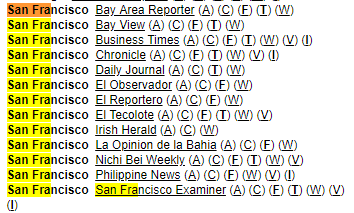
Start your search by heading to USNPL. This website lists newspapers, TV stations, and radio stations in every city in the country. This is one of the most comprehensive listings you’ll find anywhere online, and it’s entirely free.For example, here are all the major newspapers in San Francisco, along with their social media links:
For local radio stations, use Radio Locator to find stations by zip code, along with their websites.
For example, here are all the radio stations that cover 90210.

How to Pitch to These Outlets
Once you’ve made a list of targets, the pitching process is the same as pitching any other journalist. Follow the guidelines in this article to learn how to pitch journalists.Give local journalists a reason to cover your business. You don’t have to have a local presence, but it helps.
Otherwise, focus on the following:
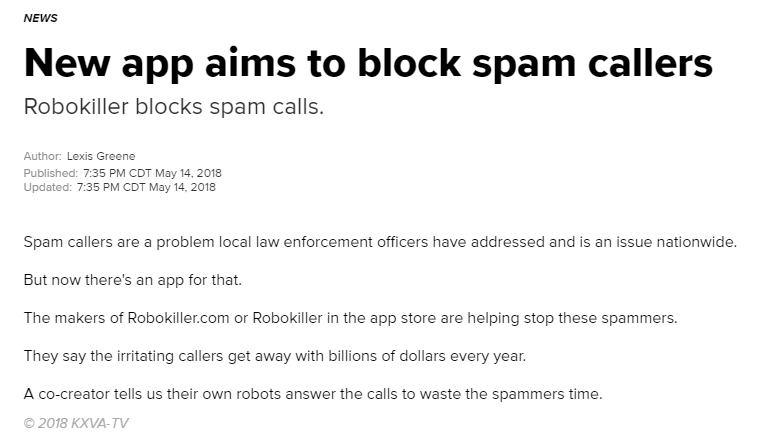
- Newness, i.e., you’re just launching and giving the journalist exclusive early access.
- Popularity, i.e., you’re popular and want to help journalists and their readers understand why.
- Uniqueness, i.e., you’re doing something unique to the neighborhood, or you will uniquely solve your readers’ problems.
This is a powerful, yet underused tactic that can get you a lot of traction for free.
If you play your cards right, a feature here can lead to a spot on national media like Live Wire, which you've always wanted.
6. Create an Asset That Corrects or Refutes a Popular Hypothesis
Let me ask you a question:Which cars are most likely to last for over 200,000 miles without falling apart?
If you were a car enthusiast or were interested in a new car, wouldn’t you be interested in the answer to this question?
Turns out that journalists are also interested in such questions.
How do I know?
Because that’s how this iSeeCars study, ‘Top Longest-lasting Cars to Reach 200,000 miles,’ built backlinks with Slack or forums from over 50 major outlets, including this article on FoxNews.com.

How Can You Create Such Assets?
The idea behind this media relations strategy is simple:- Collect data that answers a popular question.
- Then create an asset that condenses that data into a shareable format.
- Distribute it to targeted publications and get free press mentions.
So Brian Dean commissioned a study to answer this question with data, earning hundreds of links in the process:
Your research doesn’t always have to be original. If you can synthesize complex data from multiple sources into something easier to digest, you can get press mentions, regardless of your size.
For example, this blog used data from Forbes and BLS.gov to answer the question: How quickly do top musicians make average salaries? It does not use original research; it just synthesizes available data.

The Best Angles to Take
If you use this approach, think of what angles or story ideas you can use to promote your study.Certain story ideas work better than others here.
Some common angles are:
- Giving a definitive answer to a common query (as in “how many words should a blog post have?”).
- Giving a new perspective to existing data (as in “how quickly does Beyonce make a nurse’s salary?”).
- Countering a widely held opinion or belief (as in “everything you knew about passwords is wrong”).
Dmitry's take
Since your ultimate goal is to get published in major press outlets, it helps to know what your target journalists have been writing about lately. The closer the alignment between your content and the journalist’s “beat”, the better your results.
This is why when you search for a keyword on JustReachOut, you will see the last articles written by the journalist. Use it to find journalists who would be more interested in your content.
Implement this tactic right now with our software.
7. Use Reverse Image Search and Crunchbase to Find Press Targets
One of the toughest tasks in any PR campaign isn’t pitching journalists or building relationships. Rather, it’s finding the right press targets.Besides the usual – Google search, directory listings, etc. – PR practitioners can use some overlooked tactics to yield great results.
First tactic: Reverse Image Search
Here’s how it works:- Head over to Pinterest and search for your target keyword, such as “content marketing”.

- When you find a well-liked infographic or image, click to open it.
- Once opened, right-click on it and select “Search Google for image”.

- Make a list of all such publications. If they’ve shared similar images in the past, they might also be interested in sharing your stuff.
Second tactic: Crunchbase
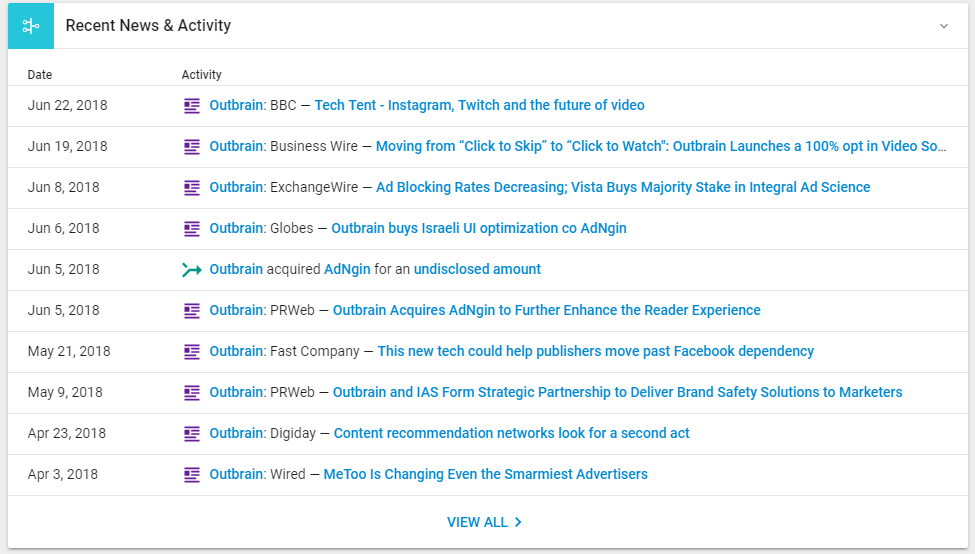
Another little-known tactic used by public relations practitioners is Crunchbase.Crunchbase is a massive database of companies, their founders, funding, and all the press they’ve received lately.
Here’s how you can use it to your advantage:
Step 1
Start by heading over to Crunchbase and searching for a competitor. If you don’t have an immediate competitor in mind, you can also search for your industry keyword and pick from the companies that show up.
Step 2
Once you find a company, scroll down to the “Recent News & Activity” section. This shows all the press the company has received lately.
Step 3
Look for patterns and ideas:
- Why are press outlets writing about this company?
- Is there anything noteworthy in their news releases and media advisories sections?
- Is it in the news because it released a new study?
- Launched a new product?
- Wrote an article?
8. Create a PR Stunt
When it comes to PR stunts, opinion is usually divided:- Some see it as a staple of marketing that yields spectacular results.
- Others see it as a cheap and gimmicky tactic that is more likely to annoy than attract customers.
The trick is to use them in the right quantity. Like seasoning, sprinkle them on top of your existing media relations strategy, instead of making them the mainstay of your approach.
To create a successful PR stunt, keep in mind that:
- The primary audience for a PR stunt is the media, not your customers
- The PR stunt should be aligned with your brand
If the neighborhood commerce bank pulled off an outrageous stunt that involved the Orange County sheriff’s office, the press would definitely be interested in that story idea.
The problem is that it could also damage their brand.
So, how do you find the right story idea for your stunt?
Start by evaluating routine press coverage about your industry. Ask yourself:
“What are some common angles journalists adopt when covering my competition? What can I do to set myself apart and capture their attention?”
Your goal should be to do something different from the norm:
- If all your competitors are focused on creating podcasts and digital assets, do the opposite and go local.
- If they’re doing edgy, offensive stunts, do something genuinely nice and charitable.
But Gusto did something different. Instead of conducting regular media interviews, its founders went on a 3,000-mile road trip where they met and talked to actual small businesses.
Because this was so different from what the rest of the industry was doing, Gusto received major press.
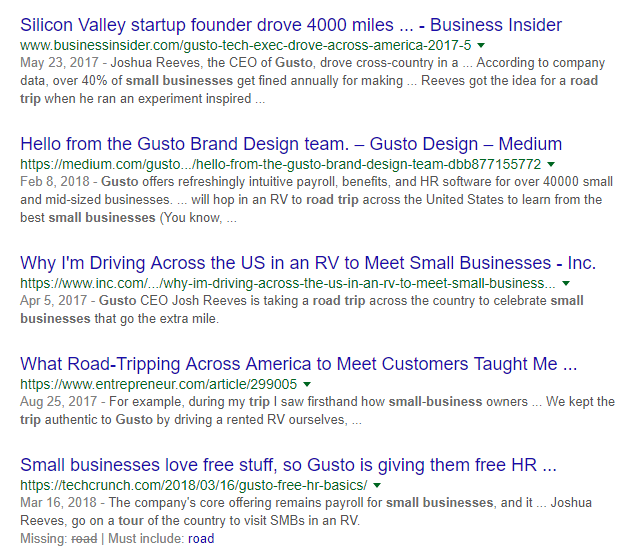
As far as PR stunts go, this one was fairly tame and easy to pull off. Yet, it attracted major attention from the press simply because it was unique for its industry.
Daney Parker of PRMoment has a great article on creating a PR stunt. Her advice: effective PR stunts are visual, clever, and reactive.
But as Gusto showed, being useful and unique can also get you press.
9. Target Small But Influential Publications
If you’re going to invest time and money into a PR campaign, it only makes sense to target the biggest publications out there, right?Wrong!
This is one of the biggest rookie mistakes a media relations specialist can make. They jump right in and start emailing Live Wire and Buzzfeed, completely forgetting about the small but influential blogs.
Even top journalists need sources. More often than not, these sources are smaller, niche-specific blogs that are experts in their field.
For example, here’s TechCrunch with a “hat tip” to Android Beat:
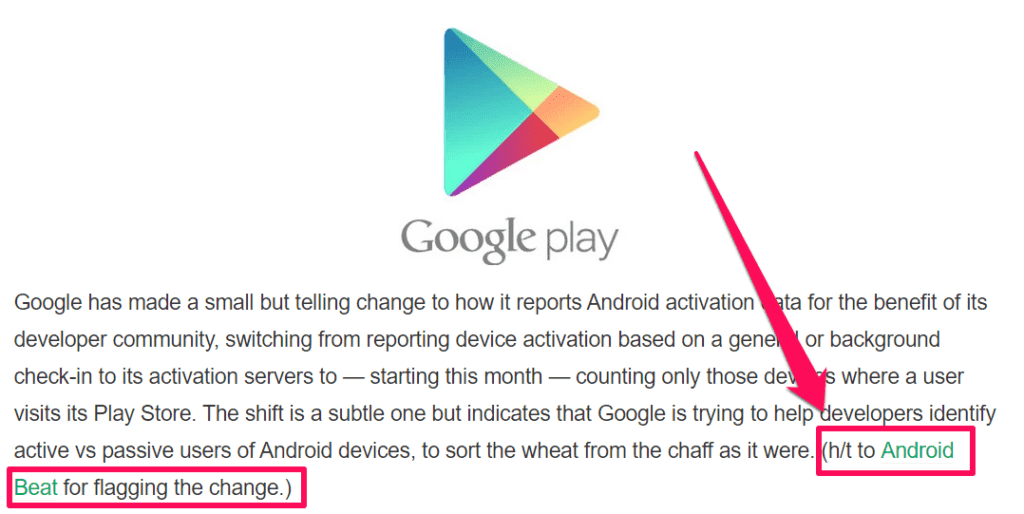
It’s much easier to send an email and get the attention of these smaller blogs than large publications.
Why?
- For one, these smaller outlets are often one-person operations. There are no editors, office staff, or other gatekeepers to go through. When you send an email, it doesn’t go to a random staff member in the communications office. It goes directly to the media relations coordinator.
- Two, smaller outlets don’t get nearly the same number of news releases and media advisories as a larger media office. It’s easier to stand out when you aren’t competing with 100 other news releases.
How to Identify Smaller Sources
One way to find these smaller outlets is to search for lists of blogs in your industry.Step 1
(Google “list of [industry] blogs”).
Step 2
Find smaller blogs on this list that you don’t immediately recognize. These are going to be your best prospects.
Step 3
Add them to your backlinks analyzer, such as Ahrefs. See how many large publications link to them.
A smaller outlet that frequently gets links from bigger publications is likely influential. Getting on such an outlet can open doors to wider coverage, making them an indispensable part of any media relations strategy.
10. Launch On Kickstarter
Want to get the attention of major press outlets and get some extra funding?Then launch your product on Kickstarter.
Kickstarter is like the milkshake that brings all the journalists to the yard. For some reason, adding this word to a news story automatically excites writers and those who read it.
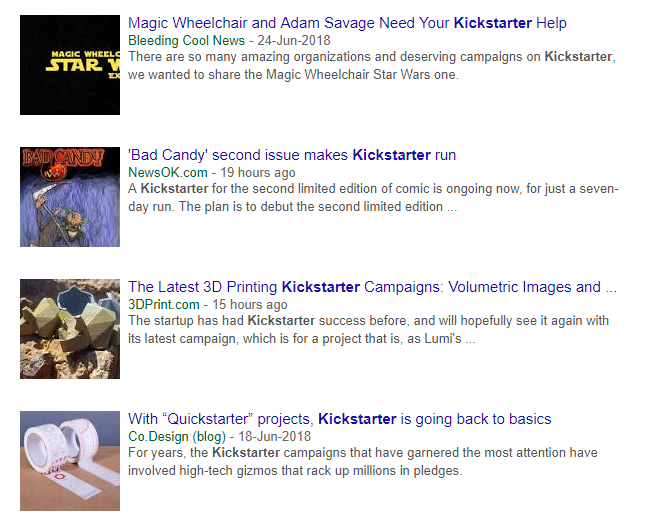
Why?
- Kickstarter products are novel and often controversial.
- From outrageous claims to missed goals, a Kickstarter launch usually makes for interesting story ideas.
For example, say you’re a vegan food company looking to drum up media interest.
A plant-based nutrition health quest campaign would be the perfect platform for publicity.
You could ask people to contribute and, in return, document your journey of eating only plant-based foods. (You could even include the video b-roll to make it look more authentic!).
Of course, this isn’t possible for every company. And some categories attract more journalist attention than others (e.g., visual, tangible products, especially in tech/lifestyle categories).
If possible, consider launching on Kickstarter or IndieGoGo to boost your media relations strategy early.
Dmitry's take
You’ll see much better results from any Kickstarter campaign if you invest a little time in building relationships with journalists. Journalists are far more likely to respond to you if they know and recognize your name.
Of course, if you don’t want to do that, there are also services such as JustReachOut that will do the pitching for you.
Implement this tactic right now with our software.
11. Interview Influencers and Get Them to Promote You
Branding by association is one of the most compelling marketing ideas they teach at the university.Branding by association is when you link two brands of unequal value. The interplay between the two brands increases the value of the lower-tier brand.
Think of it this way:
When you meet someone with a bachelor’s degree or master’s degree from Harvard University, you assume that they’re smart and talented.
You don’t know anything else about them.
You just know that they were students at Harvard.
So why do you make a snap judgment about their intellect just from their university relations?
The prestige factor associated with Harvard University and its faculty members influences your judgment. Since you associate the university with talent, you do the same for the person.
That’s branding by association at work!
Here’s another good example of it:
Think of how Nike thrived by associating itself with Michael Jordan. Jordan was already a star; Nike was still a (relatively) unknown brand. Nike absorbed some of Jordan’s brand value by getting Jordan to endorse it.
The same principle is equally applicable when building your business brand. When you constantly appear next to influencers and faculty experts, some of their influence also rubs off on you.
People assume that since you’re appearing alongside experts like Tim Ferriss and Rand Fishkin, you, too, must have some expertise.
Additionally, when influencers promote your content, you also get a share of their traffic.
This brings me to the biggest challenge with this media relations strategy: accessing top influencers.
How to Access Top Influencers
It’s no secret that leading influencers are all incredibly busy. You can’t just send media requests for an interview with Tim Ferriss if you’re a nobody.The solution?
Influencer stacking.
Instead of sending media requests for interviews to the big whales like Ferriss, you target low-tier influencers. Think of people with some authority, but not enough to be inaccessible.
Once you land media interviews or roundup quotes from them, mention these media requests when trying to access higher-tier influencers.
Repeat the process until you reach the influencer you want to target.
This process helped me get quotes from people like Paul Scoble and Chris Messina:
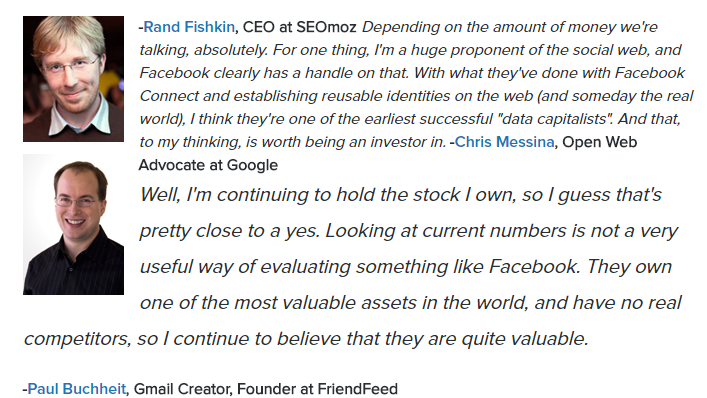
If you’re going to use this media relations strategy, make sure to change your content approach based on the influencer’s authority and availability. For example, you can ask a low-tier influencer to appear on a 30-minute podcast or Skype video interview.
Busier influencers, however, won’t have enough time for a 30-minute appearance unless you’re already well-known yourself. Ask such influencers for quotes for a roundup instead.
Once you create your content, run some Facebook ads on it. Your goal is to drive traffic to the influencer’s site as a way to say “thanks” for their contribution.
If influencers see that the content is popular, they’re more likely to return the favor by promoting you.
Measuring Success in Your Media Relations Strategy
You've implemented your media relations strategy. You've pitched journalists, created assets, and built relationships. But how do you know if your efforts are working?The truth is, many businesses struggle to measure the ROI of their media relations strategies. They know they're getting coverage, but can't connect it to business outcomes.
That's a problem.
Without proper measurement, you're essentially flying blind. You don't know which tactics are working, which journalists are most valuable, or whether your media relations strategy is driving results.
Here's what you need to track:
Key Performance Indicators for Media Relations Strategies
Not all metrics are valuable. While it's tempting to focus on vanity metrics like impressions or advertising value equivalency (AVE), these don't tell the whole story of your media relations success.Instead, focus on KPIs that directly tie to business outcomes:
1. Quality of Coverage
- Sentiment analysis (positive, neutral, negative)
- Message pull-through rate (how often your key messages appear)
- Share of voice compared to competitors
- Placement quality (headline vs. mention, above vs. below fold)
2. Audience Reach and Engagement
- Targeted reach (not just total impressions)
- Engagement metrics (comments, shares, click-throughs)
- Domain authority of publishing outlets
- Geographic relevance of coverage
3. Business Impact Metrics
- Website traffic from media mentions
- Lead generation from press coverage
- Conversion rates from media-driven traffic
- Sales attributed to media relations activities
- Brand awareness lift studies
4. Relationship Metrics
- Response rates to pitches
- Number of journalist relationships built
- Repeat coverage from the same journalists
- Referrals to other media contacts
5. Efficiency Metrics
- Cost per placement
- Time to secure coverage
- Success rate of pitches
- ROI of different media relations strategies
Common Media Relations Strategy Mistakes to Avoid
Even the best media relations strategies can fail if you make these critical mistakes. I've seen countless businesses sabotage their efforts by falling into these traps:1. The Spray and Pray Approach
Sending the same generic pitch to hundreds of journalists is the fastest way to get blacklisted. Each journalist has specific beats and interests. Your media relations strategy should reflect that with personalized, targeted outreach.2. Ignoring the News Cycle
Timing matters. Pitching a feel-good story during a major crisis or trying to get coverage on a Friday afternoon shows you don't understand how the media works. Successful media relations strategies align with the news cycle and journalist deadlines.3. Forgetting to Follow Up (Or Following Up Too Much)
One follow-up email can increase your response rate by 40%. But five follow-ups? That's harassment. Find the sweet spot - typically one follow-up after 3-4 days if you haven't heard back.4. Making It All About You
Journalists don't care about your company milestones unless they benefit their readers. Frame your pitches around audience value, not corporate achievements. Your media relations strategy should solve problems for journalists, not create them.5. Neglecting Relationship Building
Media relations isn't transactional. It's relational. Don't just reach out when you need something. Engage with journalists' content, provide value without asking for coverage, and build genuine connections.6. Overlooking Digital and New Media
Traditional media relations strategies often ignore podcasters, YouTubers, and newsletter writers. These new media outlets can have highly engaged audiences that perfectly match your target market.7. Poor Crisis Preparation
Not having a crisis communications plan as part of your media relations strategy is like driving without insurance. When bad news hits, you need to respond quickly and effectively.8. Measuring the Wrong Things
AVE (Advertising Value Equivalency) is dead. Stop using it. Focus on metrics that matter to your business, not outdated vanity metrics that impress no one.Preparing for the Unexpected: Your Basic Crisis Communications Plan
A media relations strategy focused only on positive news is incomplete. In today's fast-paced digital world, a negative story can escalate into a crisis in minutes. Being prepared is not optional. While you can't predict every scenario, you can build a resilient framework to navigate challenges effectively. A basic crisis communications plan should include:- Identify Your Crisis Team: Designate a small group of decision-makers who will manage the response. This typically includes leadership (CEO), legal counsel, and the head of communications. Everyone in the company should know who is on this team and that only they are authorized to speak on behalf of the company.
- Establish a Monitoring System: Use tools like Google Alerts, Mention, or Cision to actively monitor for mentions of your brand, key executives, and products. The sooner you know about a potential issue, the faster you can respond.
- Prepare Holding Statements: You won't have all the answers immediately, but you need to communicate quickly. Draft pre-approved "holding statements" that can be adapted for various scenarios. These statements should acknowledge the issue, state that you are investigating, and provide a timeline for a more detailed update. This shows you are taking the situation seriously and buys you time to gather facts.
- Designate a Spokesperson: In a crisis, a single, consistent voice is crucial. Designate one primary spokesperson who is trained in media relations to deliver all official communications. This prevents mixed messages and ensures information is delivered calmly and authoritatively.
Tools and Resources for Media Relations Strategy
The right tools can make the difference between mediocre and exceptional media relations strategies. Here's your essential toolkit:Media Database and Outreach Tools:
- JustReachOut - Streamlined journalist discovery and pitch tracking
- Cision - Comprehensive media database with monitoring capabilities
- Muck Rack - Real-time journalist information and social media monitoring
- HARO (Help a Reporter Out) - Free platform for connecting with journalists seeking sources
Media Monitoring and Analytics:
- Google Alerts - Free basic monitoring for brand mentions
- Mention - Real-time media monitoring across the web and social media
- Brand24 - Social listening and sentiment analysis
- Critical Mention - Broadcast and online media monitoring
Content Creation and Distribution:
- Canva - Quick visual asset creation for media kits
- PRWeb - Press release distribution network
- Business Wire - Premium press release distribution
- PR Newswire - Global press release distribution
Relationship Management:
- HubSpot CRM - Free CRM to track journalist relationships
- Airtable - Flexible database for managing media contacts
- Google Sheets - Simple, collaborative contact management
Analytics and Reporting:
- Google Analytics - Track media-driven website traffic
- Bitly - Link shortening and tracking for media kit assets
- Databox - Custom PR dashboard creation
- Tableau - Advanced data visualization for media relations metrics
Free Resources:
- AP Stylebook Online - Ensure your press releases follow journalism standards.
- PR Daily - Industry news and best practices
- Poynter - Media industry insights
- Nieman Lab - Future of journalism trends
Over to You
There you have it—all the tools you need to become a media relations specialist.We’ve covered a lot of media relations tactics in this article.
You don’t have to use all of them.
Just pick a tactic that is easy to implement and can be repeated.
Most importantly, once you pick a tactic, stick to it for at least a few months before trying a new one.
Contact me for more help with creating a media relations strategy.
Frequently Asked Questions
What's the Difference Between Media Relations and Public Relations?
Media relations is a subset of public relations that focuses mainly on building strategic relationships with media outlets to gain coverage. While PR encompasses all external communications, including customers, investors, and stakeholders, media relations concentrates solely on journalists, editors, and content creators.How Long Does it Take to See Results from a Media Relations Strategy?
Results vary depending on your approach. Short-term tactics like HARO responses or PR stunts can generate coverage within days or weeks. However, sustainable success through relationship building and thought leadership typically takes 3-6 months of consistent effort to show meaningful results.What's the Most Effective Way to Pitch Journalists?
Personalize every pitch by researching the journalist's recent articles and beat coverage. Lead with newsworthiness and audience value rather than company achievements. Keep pitches concise, include relevant data or visuals, and always follow up once after 3-4 days if you don't receive a response.Should Small Businesses Focus on Local or National Media Coverage?
Start with local and niche publications that are easier to access and more likely to cover your story. Local TV stations, regional newspapers, and industry-specific blogs often provide better ROI than national outlets for small businesses. Use local coverage as stepping stones to larger publications.Get the full playbook in your inbox.
20,000+ founders read my newsletter on building to acquisition in 3 years, working 3 hours a day.
